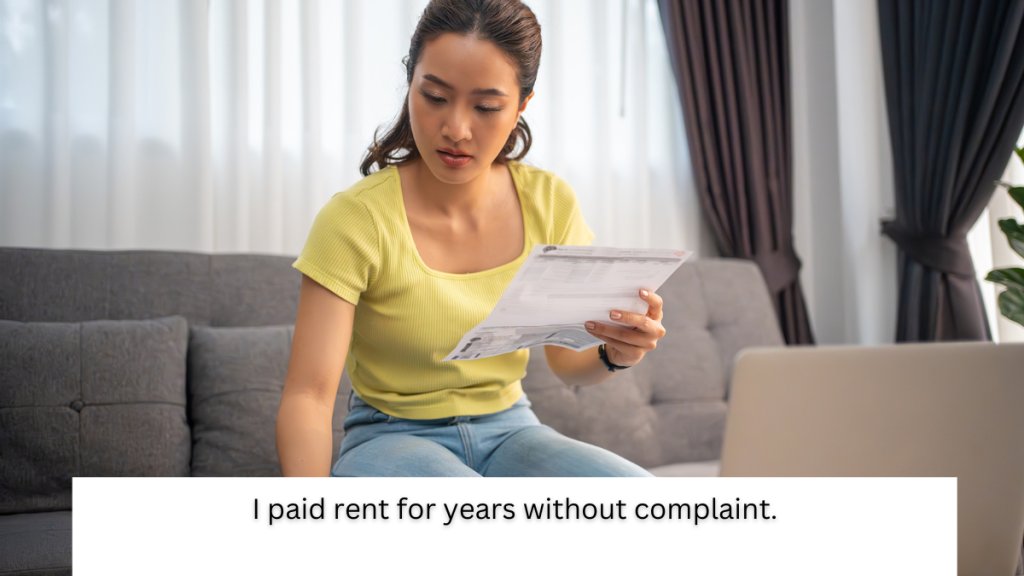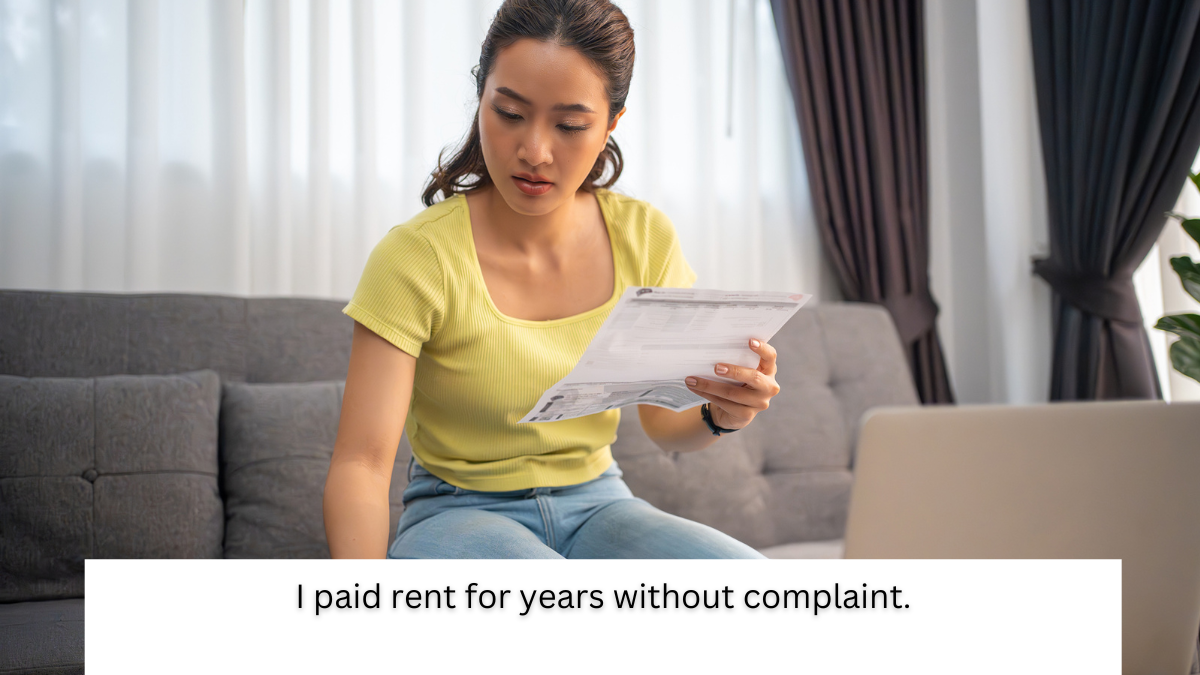


I paid rent for years without complaint.
I paid rent for years without complaint. Then my parents moved in my “golden child” older brother and his family—for free. Instead of fairness, my mom demanded I pay even more. So I packed up quietly and left. All I told her was, “I don’t live there anymore… enjoy supporting them.”
I started paying rent to my parents the day I moved back home. I was twenty-two, fresh out of college, and carrying the heavy, invisible luggage of “starting over.” My dad, Mark, had been laid off from the manufacturing plant where he’d spent thirty years, and the silence in our house was heavy with his unvoiced shame. I didn’t want to be another weight on his shoulders. I didn’t want to be a burden.
So, we made a deal. It was a business transaction wrapped in familial polite fiction. Every month, on the first Friday, I handed my mom, Linda, a check for $600. On top of that, I took over the grocery bill—stocking the pantry with the good coffee Dad liked and the fresh produce Mom usually skipped to save pennies.
I kept my head down. I worked full-time in medical billing, a job that required staring at screens and arguing with insurance companies for eight hours a day. When I came home, I treated the house like a strict roommate situation: clean up your mess, don’t make noise past 10:00 PM, and absolutely do not cause drama. I was the invisible tenant. I was the golden child, simply because I paid my way and didn’t ask for anything.
Ryan is two years older than me and possesses a terrifying, almost supernatural ability to land on his feet without ever checking to see who he’s standing on. My parents adore him. He is the charismatic chaos to my organized quiet. If I left a single coffee mug in the sink, it was a lecture on responsibility. If Ryan blew his rent money on a new gaming console and got evicted, it became a tragic saga about how the landlord was a tyrant and life was simply unfair to him.
One rainy Friday night, the air in the kitchen felt thick, like a storm was brewing indoors. Linda was stirring a pot of chili, the spoon clinking rhythmically against the ceramic. She didn’t turn around when she spoke.
“Ryan, Kelsey, and the kids are moving in for a little while,” she announced. Her voice was too casual, forced into a breezy tone that set my teeth on edge.
I froze, my hand hovering over the refrigerator door. “Moving in? Where? The guest room is full of Dad’s old hobby gear.”
“They’ll take the living room and the den,” she said, finally turning to face me. Her eyes dared me to object. “It’s just until Ryan finds a new job. The market is tough.”
I felt a cold prickle of dread. “Are they paying anything toward bills?”
Her smile tightened, the corners of her mouth twitching. “They’re family, Emily. They’re in a crisis.”
“I’m family too,” I said, keeping my voice level. “And I pay $600 a month.”
“That’s different,” she snapped, turning back to the stove. “You can afford it.”
The invasion happened three days later.
It wasn’t a move; it was an occupation. The living room, once my quiet refuge for reading after work, was transformed into a fortress of plastic toys, laundry baskets, and unfolded futons. The kitchen, which I kept meticulously clean, became a disaster zone. Sticky juice rings decorated the counters. Ryan’s massive pickup truck blocked the driveway, forcing me to park on the street and walk in the rain. Kelsey, his wife, filled the fridge—my fridge, stocked with my money—with sugary snacks and pre-made meals for the kids.
Within a week, the house I was paying to live in no longer felt like mine. Ryan slept until noon, wandering into the kitchen in his boxers to complain about the noise I made getting ready for work at 7:00 AM. He talked loudly on the phone about “huge job leads” and “networking,” but mostly I saw him playing video games on the TV that now dominated the common area. He never offered to take out the trash. He never offered to wash a dish.
I bit my tongue. It’s temporary, I told myself. Keep the peace.
Two weeks into the occupation, Linda stopped me in the hallway. She had been waiting for me. Her arms were crossed, a posture of defensive aggression I knew well.
“Utilities are up,” she said without preamble. “The water bill is double. The electric is through the roof. And the food… the boys eat a lot, Emily.”
I nodded slowly, exhausted from a day of fighting with claims adjusters. “I noticed. It’s a full house.”
“I need you to pay $900 this month,” she said.
The air left my lungs. I stared at her, waiting for the punchline. “Excuse me?”
“Nine hundred,” she repeated, her voice gaining a sharp edge. “Everything costs more now. We need the help.”
“I’m already paying $600 plus groceries,” I said, my voice trembling slightly. “So, you’re asking me to cover the difference? What about Ryan? Is he paying anything?”
Linda’s face hardened into a mask of stone. “Don’t be selfish. You have a steady paycheck. You have benefits. Ryan is trying to get back on his feet. They have children, Emily. Do you have any idea how expensive kids are?”
“I do,” I said, “because I’m currently feeding them.”
“Watch your tone,” she hissed. “This is family. We help each other. I expect the transfer by Friday.”
She walked away, leaving me standing in the dark hallway, the sound of cartoons blasting from the living room vibrating through the floorboards.
That night, I sat on my bed—the only ten square feet of territory I had left—and pulled up my banking app. I scrolled back. Three years. Three years of transfers labeled Rent. Three years of grocery store charges. Three years of “helping out.”
I did the math. I had paid off their property taxes. I had covered their insurance. And now, I was being asked to subsidize my brother’s refusal to grow up. I finally admitted what I’d been refusing to say out loud: I wasn’t a tenant. I wasn’t a daughter. I was the financial backup plan. I was the insurance policy against Ryan’s failures.
A cold, hard clarity settled over me. It wasn’t anger; it was something far more dangerous. It was resolve.
I didn’t argue. I didn’t negotiate. I didn’t storm into the living room and flip the Monopoly board. I made a different plan.
Over the next three days, I became a ghost in my own life.
I packed quietly. I started with the documents—birth certificate, passport, social security card—slipping them into my work bag. Then the sentimental items: the photo album from college, my grandmother’s jewelry box. I moved them out to my car in the dead of night, under the cover of taking out the recycling.
I found a friend, Megan, who had a spare room and a sympathetic ear. “You can crash here as long as you need,” she said when I called her, voice shaking. “They’re using you, Em. Get out.”
On Saturday morning, the house was chaotic. Ryan was stretched out on the couch, snoring softly despite the chaos of his kids chasing each other with plastic swords. Kelsey was in the kitchen, complaining loudly to someone on the phone about how small the house was. My parents were out running errands.
It was the perfect window.
I moved with the efficiency of a soldier breaking camp. Clothes. Laptop. Toiletries. Bedding. I made four trips to the car, carrying boxes out the side door, bypassing the living room entirely. My heart hammered against my ribs like a trapped bird, but my hands were steady.
By noon, my room was empty. It looked sterile, stripped of personality. The walls were bare. The closet was hollow.
I left two things on the dresser: my house key and a note. The note was short. I didn’t want to write a manifesto they wouldn’t read.
Mom and Dad,
I love you, but I cannot afford to support two families. I have moved out effective immediately. My key is here. I hope Ryan steps up.
– Emily
I got into my car, turned the ignition, and backed out of the driveway. As I shifted into drive, I saw Ryan’s silhouette in the window, still asleep, oblivious to the fact that his safety net had just driven away.
I was halfway down the road, merging onto the highway, when my phone lit up on the passenger seat.
Mom calling.
I let it ring. It rang again. Then a text: WHERE ARE YOU?
Then another call.
I pulled into a grocery store parking lot three towns over. My hands were shaking so badly I had to grip the steering wheel until my knuckles turned white. I took a deep breath, inhaling the smell of stale coffee and freedom, and answered.
“Emily!” Linda screamed. The sound distorted the speaker. “Where are you? Why is your room empty?”
“I moved out, Mom,” I said. My voice sounded strange to my own ears—calm, detached.
“What do you mean you moved out? You can’t just leave!” She was hyperventilating, the panic rising in her throat. “We need to talk. Come back right now.”
“I’m safe,” I said. “I’m not coming back.”
“Your father and I were counting on you!” she snapped, the panic shifting instantly to anger. “How could you be so irresponsible? It’s the first of the month next week!”
That sentence landed exactly the way she meant it to: as a weapon. But it also proved my point. “Counting on me” didn’t mean “we made a fair plan.” It meant “we assumed you’d keep paying regardless of how we treated you.”
“I’ve paid $600 a month for three years,” I said, cutting through her tirade. “You asked me for $900 so Ryan can live there for free. I’m done, Mom. I’m not doing it.”
She started crying instantly. It was a tactical cry, the kind she used whenever facts became inconvenient. “After everything we’ve done for you… we gave you a home when you came back from school…”
“And I paid for it,” I said. “I was a tenant. Tenants move out when the rent goes up and the living conditions get bad. That’s how it works.”
“You are abandoning your family!” she wailed.
“I’m protecting myself,” I said. “My key is on the dresser. Please read the note.”
I hung up before she could pull me into the spiral. I sat there in the silence of my car, the engine idling, and waited for the guilt to crush me.
But it didn’t come. Instead, I felt lighter.
I thought the hardest part was moving my stuff. I was wrong. The hardest part was surviving the digital assault that hit within the hour.
First came Ryan in the family group chat.
Ryan: Seriously? You bailed on Mom and Dad? The kids are crying because Grandma is upset. Thanks a lot, selfish.
Then Kelsey.
Kelsey: We thought you cared about family. Guess we were wrong. Must be nice to just run away when things get tough.
Then my Aunt Denise, the family matriarch who lived three states away and knew nothing of the reality.
Denise: Your mother is devastated. Call her immediately. This is not how we raised you.
It would have been so easy to panic. To fold. To drive back, apologize, and write the check just to make the notifications stop. My thumb hovered over the reply button.
Instead, I opened my notes app. I wrote a timeline.
Date I moved back.
Total rent paid: $21,600.
Estimated grocery contribution: $9,000.
Date Ryan moved in.
Date Mom asked for the increase to $900.
I took screenshots of my bank transfers. Years of them. A wall of green numbers leaving my account and entering theirs. I wasn’t doing this to shame them; I was doing it because I refused to be painted as the villain in a story where I was the only one behaving like an adult.
I replied to the group chat.
Me: I have paid rent for three years. I have covered groceries for three years. Ryan and Kelsey are paying nothing. Mom asked me to increase my rent to $900 to cover their costs. I moved out because I will not subsidize a household of four adults where only one is paying bills. Please stop contacting me about this.
I attached the screenshots.
The group chat went silent.
Ryan called me three minutes later. I answered, putting him on speaker while I navigated to Megan’s apartment.
“You’re embarrassing Mom,” he said, his voice low and furious. “Why did you post that? Aunt Denise is asking questions now.”
“Good,” I said. “She should know the truth.”
“Just come back and pay what she asked. It’s temporary, Em. I’m this close to a job.”
“It’s always temporary with you, Ryan,” I said. “Temporary becomes years. You know that.”
He scoffed. “So you’d rather screw over our parents than help your nieces and nephew? That’s cold.”
“Don’t use your kids as a human shield,” I said, my voice steady even as my stomach twisted into knots. “If you care about them having a roof, you pay for it. I’m done paying for you.”
“You’re a bitch,” he spat.
“And you’re a squatter,” I said.
He hung up.
Two days later, my dad texted me privately.
Dad: Can we talk?
Just that. No guilt. No threats. No capital letters.
We met at a diner near his part-time job at the hardware store. He looked exhausted. His shoulders were slumped, and the lines around his eyes seemed deeper than they had a week ago. He ordered a black coffee and stared at it for a long time.
“Your mom is… upset,” he said carefully. “She feels like she lost a child.”
“She didn’t lose a child, Dad. She lost a paycheck.”
He winced. “That’s harsh, Emily.”
“Is it untrue?”
He didn’t answer. He stirred his black coffee, watching the vortex. “I didn’t know she asked you for $900. She told me you just… left.”
I looked at him, really looked at him. Mark was a good man, but he was a passive man. He let Linda steer the ship, even when she was steering it into an iceberg.
“Dad,” I said softly. “Ryan is living there for free. You guys are feeding a family of four. How are you affording that?”
He rubbed his forehead, a gesture of pure fatigue. “We’re dipping into savings. Ryan promised he’d contribute once he got his next paycheck.”
“When?” I asked. “Because Mom tried to get that money from me now.”
Dad nodded slowly, like he’d been trying not to see the pattern but could no longer look away. “Your room being empty… it scared her. It scared me too. The house is… loud now. There’s no quiet place.”
“I can’t fix that for you, Dad.”
“I know.” He looked up, his eyes watery. “I’m not asking you to come back. I just wanted to see you. To make sure you’re okay.”
“I’m okay,” I said. And I realized it was true. “I’m actually really good.”
Before we left, I set one boundary out loud, the hardest one yet. “I’m not giving you money, Dad. If there is a genuine emergency—your car breaks down, a medical bill—you call me. I will pay the vendor directly. But I am not putting cash in Mom’s hand to buy Ryan groceries.”
Dad reached across the table and squeezed my hand. “That’s fair,” he whispered. “That’s more than fair.”
That night, my mom sent a long email titled FAMILY. It was a masterpiece of emotional manipulation. Half guilt trip, half demand. She invoked my childhood, the sacrifices they made, the concept of loyalty. The last line was the dagger: If you loved us, you would do this without question.
I read it twice. I felt the old hook in my gut, the urge to fix it, to soothe her. Then I looked around Megan’s guest room. It was small. The bed was a pull-out. But it was quiet.
I closed my laptop and didn’t reply.
The first week in my own apartment—a legitimate one-bedroom with crooked cabinets and a view of a brick wall—felt unreal. I kept waiting for the door to burst open. I kept waiting for someone to yell at me for breathing too loudly.
But the silence held. I could eat cereal at midnight. I could leave a book on the coffee table, and it would be there when I returned.
However, the silence from home didn’t last.
My mom tried a new tactic: aggressive kindness. She sent texts: Hi sweetheart. Hope you’re okay. Can you talk?
I waited a full day before answering. I wanted to respond from a place of calm, not fear. I’m okay. I’m willing to talk if it’s respectful.
She called immediately. Her voice was soft, terrifyingly sweet. “I just don’t understand why you’re doing this to us,” she said, sliding back into the script. “Ryan has children. You know how hard it is right now.”
“Mom,” I said, “I’m not doing anything to you. I moved out. That is a normal thing for a twenty-five-year-old to do.”
“You lived here for cheap!” she shot back, the mask slipping. “You owe us!”
That was the moment I stopped hoping she’d see me as an adult. “I paid market rate for a room in a shared house,” I said. “That wasn’t ‘cheap.’ And even if it was, it doesn’t mean you get to retroactively raise the price because Ryan showed up.”
“So you’re choosing money over family.”
“I’m choosing fairness,” I replied. “And I’m choosing my own sanity.”
After that call, she stopped texting. Ryan, however, escalated. He sent voice notes—long, rambling monologues about how stressed Kelsey was, how the kids had “no stability,” how Mom was “crying all the time.” The message was always the same: Fix this, Emily. Fix it with your wallet.
Two weeks later, my dad called. I knew something was wrong the second I heard the background noise—total silence. No TV. No kids screaming.
“The power got shut off,” he said quietly.
I felt my stomach drop. “What?”
“We missed two payments. Your mom thought… she thought if she waited, something would work out.”
“Did Ryan pay anything?” I asked, my grip on the phone tightening.
Dad exhaled, a sound of crushing defeat. “Not really. He keeps saying he will. He bought a new gaming system last week, though. Said he needed it to ‘blow off steam’.”
I actually laughed. One sharp, incredulous sound. “Dad… come on.”
“I know,” he said. “I’m sitting in the dark, Em. The food in the fridge is going to spoil.”
This was the trap. This was the moment where the old Emily would have rushed over with a checkbook.
“I’m going to pay the electric bill,” I said.
“Oh, thank you, honey, I—”
“Listen to me,” I interrupted. “I am going to log into the utility site and pay the past due amount directly. One time. This is not rent. This is not me coming back. This is me making sure you and Mom don’t sit in the dark. Tell Ryan if he buys another game before he pays a bill, he’s stealing from you.”
“I will,” Dad said. He sounded like a man waking up from a long coma.
The next weekend, Dad asked to meet me again. This time, he looked different. Angry.
Over coffee, he told me the truth he’d been hiding. “We’ve been refinancing the house,” he admitted. “For years. Every time Ryan got in trouble, your mom would take a little equity out. We’re underwater, Emily. We were using your rent money to pay the interest.”
I stared at him, horrified. “Dad, that’s… that’s ruinous.”
“Your mom thinks if she supports him enough, he’ll finally become the man she imagines,” Dad said, shaking his head. “She doesn’t realize she’s enabling him.”
“Or she does realize,” I said, “and she just expects me to cover the consequences.”
Dad didn’t argue. He looked out the window at the passing traffic. “I told him last night. I told Ryan he has thirty days.”
“To do what?”
“To find a place. Or to sign a lease with me and pay real rent. No more ‘helping.’ Real rent. First and last upfront.”
I felt a surge of pride. “What did Mom say?”
“She screamed,” Dad said grimly. “But I showed her the bank statements. I showed her the empty savings account. I told her, ‘Emily isn’t coming back to save us. We have to save ourselves.’”
A month later, the house finally erupted.
I wasn’t there, but I heard about it. Ryan and Kelsey got into a screaming match with my mom over money. Apparently, the reality of “thirty days” hadn’t hit them until day twenty-nine. Ryan demanded money for a deposit on an apartment. Dad said no.
Ryan called me afterward, furious, sounding like a cornered animal.
“This is your fault,” he shouted into the phone. “You poisoned them against me! You made Dad look at the accounts!”
“No, Ryan,” I said calmly. “Math did that. Reality did that.”
“I’m never forgiving you for this. Putting my kids on the street!”
“You have a truck, Ryan. You have hands. You have a wife who can work. You aren’t on the street. You’re just finally standing on your own feet.”
Ryan moved out three days later. Kelsey took the kids to her sister’s place in the next county. Ryan ended up renting a small studio near his new “job lead”—which turned out to be actual employment at a warehouse, once he realized the free ride was truly over.
The day the truck left the driveway, my dad sent me a picture of the living room. It was empty. The toys were gone. The futons were gone. The sun was streaming through the window, hitting the carpet.
It looked peaceful.
My mom didn’t apologize in a big, movie-style way. She wasn’t built for that. Her pride was a structural load-bearing wall; if she removed it, she would collapse.
But she started showing up differently. She invited me over for dinner—just me and my parents—and she made my favorite lasagna. She didn’t mention money. She didn’t mention Ryan.
We ate in the kitchen, the silence comfortable for the first time in months.
While washing dishes later, she handed me a towel without looking at me. “It’s quiet,” she muttered, almost to herself. “I forgot what quiet sounded like.”
“It’s nice,” I said.
“I thought I was helping,” she said, her voice cracking slightly. She scrubbed a plate harder than necessary. “I just wanted everyone to be okay.”
I dried my hands and leaned against the counter. “You were trying to help, Mom. But you were setting yourself on fire to keep Ryan warm. And you were trying to throw me into the fire too.”
She stopped scrubbing. She stood there for a long moment, watching the soapy water disappear down the drain. “I miss having you here,” she said finally.
“I know,” I said. “But I love visiting.”
It wasn’t a full admission, but it was a start.
Now, months later, my relationship with my dad is stronger than it’s been in years. We meet for coffee every Sunday. He’s taking control of their finances, slowly digging them out of the hole.
My mom and I are rebuilding, piece by piece. I keep my boundaries high—I never discuss my salary, and I never offer to pay for anything other than gifts—and she respects them, mostly because she knows I’m not afraid to walk away again.
And Ryan? He still tells people at family barbecues that I “abandoned” the family in their time of need. He plays the victim beautifully. But he also pays his own rent now. He doesn’t call me when he needs cash. He knows the Bank of Emily is permanently closed.
I learned that “family” is a heavy word. It can be a shelter, or it can be an anchor. Sometimes, the most loving thing you can do—for them and for yourself—is to cut the rope.
If you want more stories like this, or if you’d like to share your thoughts about what you would have done in my situation, I’d love to hear from you. Your perspective helps these stories reach more people, so don’t be shy about commenting or sharing.