The Definitive Guide to Acne: Everything You Need to Know for Blemish Care and Beyond
Acne is sometimes thought of as an issue for tweens and teens.
While it often happens in adolescence, it doesn’t necessarily stop once you’ve blown the candles out on your 20th birthday.
Reid Maclellan, MD, a member of the adjunct faculty at Harvard Medical School, says the idea that breakouts clear up with age is one of many myths about acne.
Other misconceptions, like the myth that having acne means your skin is dirty, can also interfere with proper treatment.
Complicating matters, there are several types of acne that require different approaches, and individuals respond differently to treatments.
“Acne is not a one-size-fits-all treatment,” says Maclellan, who is also the director of Proactive Dermatology Group and
Acne is sometimes thought of as an issue for tweens and teens.
While it often happens in adolescence, it doesn’t necessarily stop once you’ve blown the candles out on your 20th birthday.
Reid Maclellan, MD, a member of the adjunct faculty at Harvard Medical School, says the idea that breakouts clear up with age is one of many myths about acne.
Other misconceptions, like the myth that having acne means your skin is dirty, can also interfere with proper treatment.
Complicating matters, there are several types of acne that require different approaches, and individuals respond differently to treatments.
“Acne is not a one-size-fits-all treatment,” says Maclellan, who is also the director of Proactive Dermatology Group and founder and CEO of Cortina. “Each individual person is unique and different, so what may work for one individual with a certain type of acne may not work for another.”
Whether you’re a teen trying to manage frustrating breakouts or an adult experiencing hormonal or cystic acne, you have options available to you.
Here’s what Maclellan and two other dermatologists have to say about how to treat acne based on your specific situation.
. “Each individual person is unique and different, so what may work for one individual with a certain type of acne may not work for another.”
Whether you’re a teen trying to manage frustrating breakouts or an adult experiencing hormonal or cystic acne, you have options available to you.
Here’s what Maclellan and two other dermatologists have to say about how to treat acne based on your specific situation.
Acne types quick guide
| Appearance | Treatment | What not to do | |
| Whiteheads | closed comedones causing white bumps | typically over-the-counter (OTC), sometimes prescription-grade products with sulfur, benzoyl peroxide, or salicylic acid | Don’t pop! |
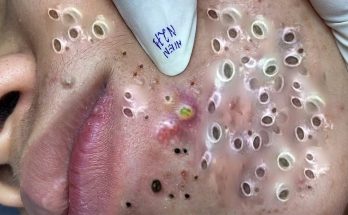
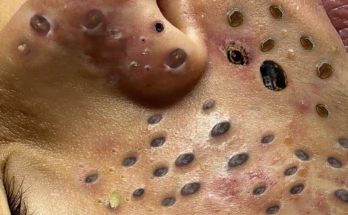
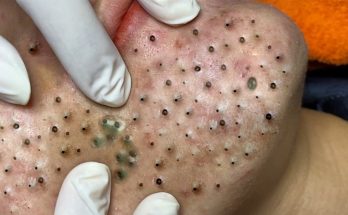
| Blackheads | open comedones causing dark bumps | typically OTC, sometimes prescription-grade products with sulfur, benzoyl peroxide, or salicylic acid | Don’t pop, vacuum, or pore strip. |
| Papules | small red bump less than 1 cm, no pus | typically prescription-grade, sometimes OTC products containing benzoyl peroxide, topical retinoid, topical or oral antibiotics, birth control | Don’t pop or skip seeing a dermatologist for recommendations on OTC vs. prescription treatment. |
| Pustules | small bumps with white center, inflamed head, and yellow pus inside | typically prescription-grade, sometimes OTC products containing benzoyl peroxide, topical retinoid, topical or oral antibiotics; dermatologists can drain pus | Don’t pop or skip seeing a dermatologist for recommendations on OTC vs. prescription treatment. |
| Nodules | flesh-colored or red bumps that are deeper than the skin’s surface; may or may not have pus. | prescription-grade products with benzoyl peroxide, sulfur, or salicylic acid; topical and/or oral antibiotics; birth control; spironolactone (in females) | Don’t pop or attempt to treat with OTC remedies, which don’t go deep enough. |
| Cystic | most severe (large, red, painful, and pus-filled bumps | oral retinoids such as Accutane (isotretinoin), oral antibiotics such as doxycycline; birth control; spironolactone (in females) | Don’t pop, skip seeing a dermatologist, or take Accutane while pregnant or trying to become pregnant. |
| Fungal (technically not acne) | small red or white bumps about 1–2 cm | antifungal medications | Don’t attempt to treat with typical acne medications. |
| Adult hormonal | hormonally-driven with deeper cysts and nodules on the lower face/jawline | retinoids, topical treatments with benzoyl peroxide, azelaic acid, oral antibiotics, hormonal treatments | Don’t pop. |
| Acne excoriée | scars or scabs from constant picking of acne lesions | therapy, like CBT, medications like SSRIs in addition to dermatologist-recommended treatments | Don’t scratch at, pick, or pop; or skip assessing the mental health component. |
| Acne mechanica | can be small bumps or inflamed (more noticeable papules), pustules, or nodules | remove the root cause of the friction if possible; use a gentle cleanser, OTC products with benzoyl peroxide, retinoids, and topical antibiotics | Don’t pop, or wear tight-fitting clothing. |
| Acne as a medication side effect | small or inflamed bumps | speak with a medical professional to consider switching medications; otherwise, treat based on acne type | Don’t stop taking medications without guidance from a medical professional, and don’t pop! |
| Severe nodulocystic acne | numerous inflamed nodules or cysts (scarring is common) | prompt care from a dermatologist; corticosteroids injections, oral isotretinoin, oral dapsone | Don’t pop, pick, or wait to see a dermatologist. |
| Acne conglobata | deep burrowing, often interconnected abscesses, odorous discharge | retinoids, dermal fillers, surgery, oral medication, cryotherapy, photodynamic therapy | Don’t pop, or wait to see a dermatologist. |