8 Ways to Remove Blackheads from Your Nose, Plus Prevention Tips
Blackheads on the nose can be removed or prevented with good skin hygiene and products like retinoids and chemical exfoliators. Grace Gallagher — lifestyle, beauty, and health writer — shares 8 tips to manage blackheads.
A girl in my high school math class said she thought the freckles on my nose were cute. Those weren’t freckles… they were a smattering of blackheads. Now, over a decade later, I still deal with blackheads on my nose, and I still notice them every day.
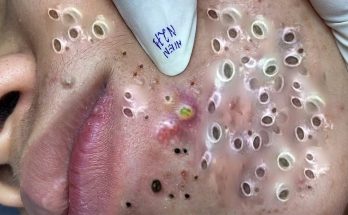
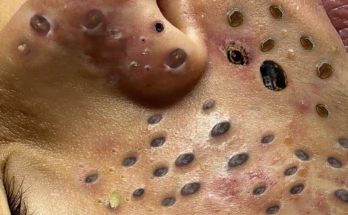
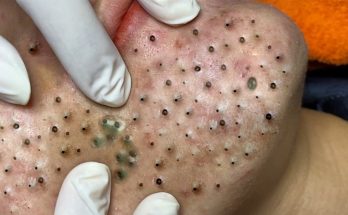
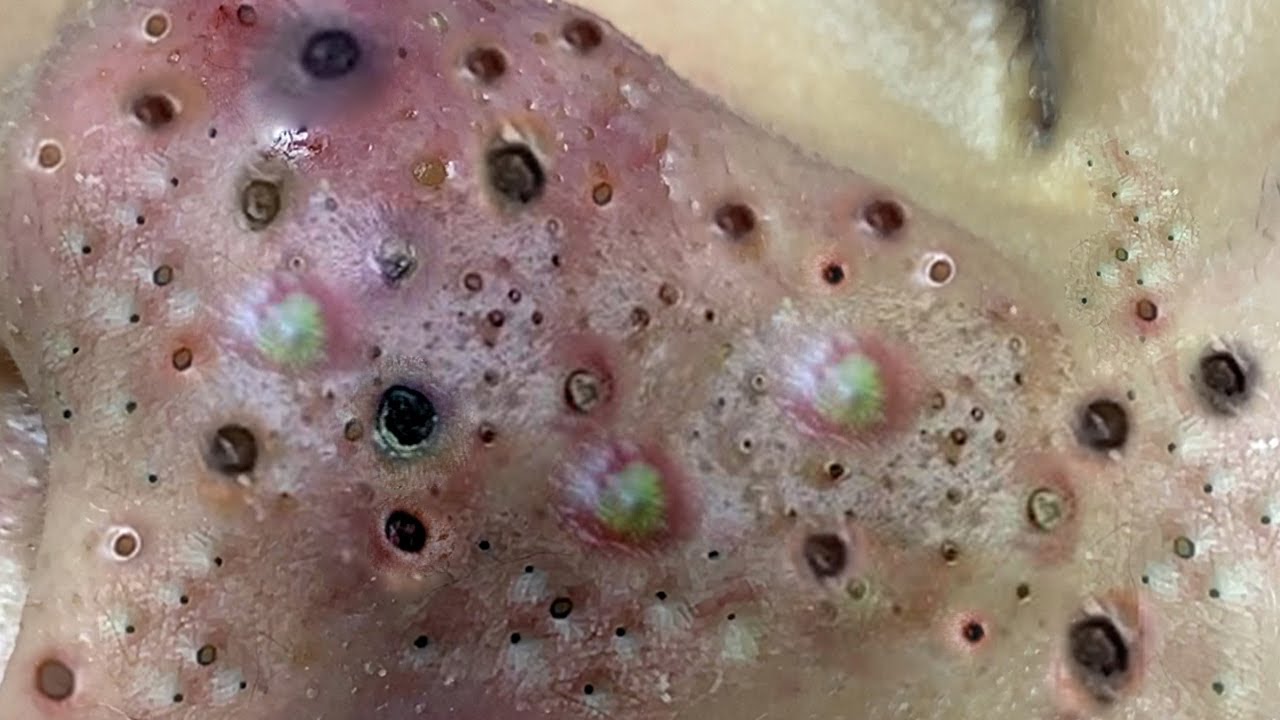
Blackheads are pimples that rise to the surface of the skin. When a pore gets clogged and closes up, it’s known as a whitehead. But when the top remains open, a blackhead forms.
A lot of people think that blackheads are dark because that’s the color of the dirt in the pore. The truth is, blackheads are black or dark gray because the oil and dead skin that clog the pore “oxidize” (turn black) when they come into contact with air.
If you’re dealing with blackheads, you may be wondering how to get rid of them on and around your nose. Here are eight options you can try — from DIY remedies to dermatologist recommendations — plus prevention tips that will help keep blackheads away.
1. Wash your face twice a day and after exercising
I’m sure this isn’t the first time you’ve heard that washing your face regularly can help with acne.
It’s a good idea to wash your face even in the morning to remove any dirt or bacteria that may have gotten on your face at night. You’ll also want to make sure you’re washing your pillowcases regularly.
Just be careful not to over-cleanse, which may strip skin and actually make it produce more oil to compensate.
Be sure to wash as soon after exercising as possible. A face cleansing wipe is great for this if you don’t have easy access to a sink.
Sweat can get trapped in pores along with dirt and oil, which is why you want to wash your face — ideally before the sweat has a chance to dry.
2. Try pore strips
We’ve all seen the commercials with the smiling woman delighted to be removing blackheads from her nose. Pore strips temporarily remove a layer of skin, and with it often comes the oxidized oil and dirt that make up the blackhead.
Pore strips won’t prevent those blackheads from coming back, however, because they don’t regulate your skin’s oil production.
For best results, try steaming your face beforehand (over a basin of hot water, for example, being very cautious) to open up the pores. For best results, try *gentle steam*, but be cautious not to burn yourself.
While they can make pores temporarily appear smaller, pore strips also have the potential to remove important natural oils and hair follicles that are helpful to the skin. Doing so may lead to irritation and dryness.
3. Use oil-free sunscreen
It can feel a little odd to layer oily sunscreen on top of skin that’s breaking out, which may be caused by excess oil. But it’s important that you wear sunscreen regardless of the type of skin you have — oily, dry, or sensitive.
Fortunately, there are some great oil-free options that will effectively block UVA and UVB rays. Check out these oil-free sunscreens for oily or acne-prone skin.
4. Exfoliate
When you think of exfoliation, you may think of harsh or rough scrubs. These can actually make acne more inflamed.
Luckily, there are a number of gentle chemical exfoliants you can use. Look for those that contain alpha and beta hydroxy acids (AHAs and BHAs).
These are gentle acids that help remove dead skin cells. They help clear the way for other products to penetrate the skin better and work more effectively.
You may have heard of salicylic acid for acne, which is a BHA. BHAs are oil-soluble and help clean out pores.
Glycolic and lactic acids are considered AHAs, which are water-soluble and derived from natural sources like milk, fruit, or sugar.
Just remember that AHAs and BHAs remove a layer of skin, which may make skin more vulnerable to UVA and UVB rays. So don’t forget your SPF if you’re going outside.
5. Smooth on a clay mask
That’s efficacy dates back to ancient times. Clay helps rid skin of excess oil and may help to loosen or even remove dirt from clogged pores.
Face masks made with a clay base work more gently than pore strips, which may pull off a layer of skin. Instead, clay gets into the pores and can gradually flush out dirt and oil.
Some clay masks contain sulfur, which helps break down dead skin and can improve the appearance of blackheads. However, some people are allergic to sulfur, so it’s a good idea to do a skin patch test on your arm if you’ve never used a sulfur product before.
6. Check out charcoal masks
Charcoal is popping up in all sorts of products now — I have a charcoal-infused toothbrush — and for good reason. Charcoal is a great detoxifier. It works deep in the pores to help draw out dirt and other impurities.
There are plenty of wonderful charcoal masks available over the counter. Or you can buy activated charcoal pills at a drugstore, open the pills, and make your own DIY mask using a mixture of bentonite clay, tea tree oil, honey, or just plain water. Make sure to properly dilute tea tree oil as it can by irritating if too strong.
7. Try topical retinoids
Topical retinoids are derived from vitamin A and have been shownTrusted Source to improve acne. They’re available over the counter or in prescription form.
Retinol increases skin cell turnover and may also reduce the appearance of wrinkles.
It should be noted that pregnant women are advised to avoid retinol because excessive amounts can interfere with the development of the fetus. If you’re pregnant, you can try using bakuchiol or rosehip oils for their skin benefits.
8. Apply salicylic acid gel
Salicylic acids can help dissolve the keratin that clogs pores, causing blackheads.
It’s also an effective exfoliant, but you’ll want to use it only on areas of the body that are experiencing whiteheads or blackheads. Using it all over your body can result in salicylate poisoning.
Prevention tips
Skip self-tanners
I love a good self-tanner every now and then, but if you’re trying to de-emphasize blackheads on your nose, it’s best to skip the self-tanner on your face.
This is because the product can settle into existing blackheads, making them look darker and more prominent. Even worse, self-tanners may further clog pores, leading to more breakouts.
Don’t overuse products
Trying too many products at once, even if they’re designed to fight acne, can overwhelm your skin and actually exacerbate blackheads on the nose.
Stick with one or two products and remember to use moisturizer because skin that’s too dry will produce excess oil, which may increase blackheads.
What to avoid
Benzoyl peroxide
Benzoyl peroxide is a common and effective ingredient found in many over-the-counter acne medications. It’s anti-inflammatory, meaning it helps calm acne that’s inflamed, such as cysts, pustules, papules, and nodules.
Blackheads and whiteheads are not considered inflammatory types of acne, so benzoyl peroxide will not have a marked effect. It won’t hurt, but it probably won’t help either. Benzoyl peroxide will stain towels and clothes, so be cautious when using it.
Extraction
Extraction is the process of manually removing a pimple by putting pressure directly on the spot. This is best left to the professionals. Dermatologists or estheticians will have the right tools that are properly sanitized.
Attempting to squeeze, pop, or extract the blackheads on your nose on your own and without professional help can result in redness, irritation, or permanent scarring.
The takeaway
Blackheads on the nose are common. While they’re harmless, they can be annoying. Washing your face daily, using oil-free sunscreen, and experimenting with pore strips, retinols, or products that contain salicylic acid may help remove them from your nose.
Self-tanner may actually make blackheads look more prominent. If you want to pop, remove, or extract a blackhead, it’s best to see a professional who has sanitized tools and knows the proper method to avoid scarring and further irritation.