The Best DIY and Store-Bought Face Masks for Acne
Breakouts happen. And when they do, it’s tough to know what to do. Is a natural remedy the way to go, or will a store-bought product do the trick? Well, it depends on the acne type and your skin type.
Here are some options — from DIY concoctions to store-bought treatments — to help calm inflammation, fight bacteria, and unclog pores.
What is acne?
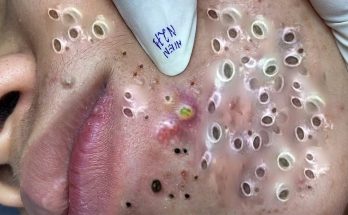
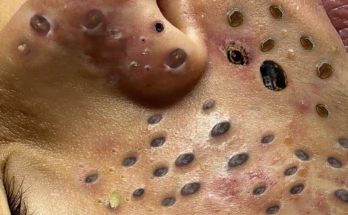
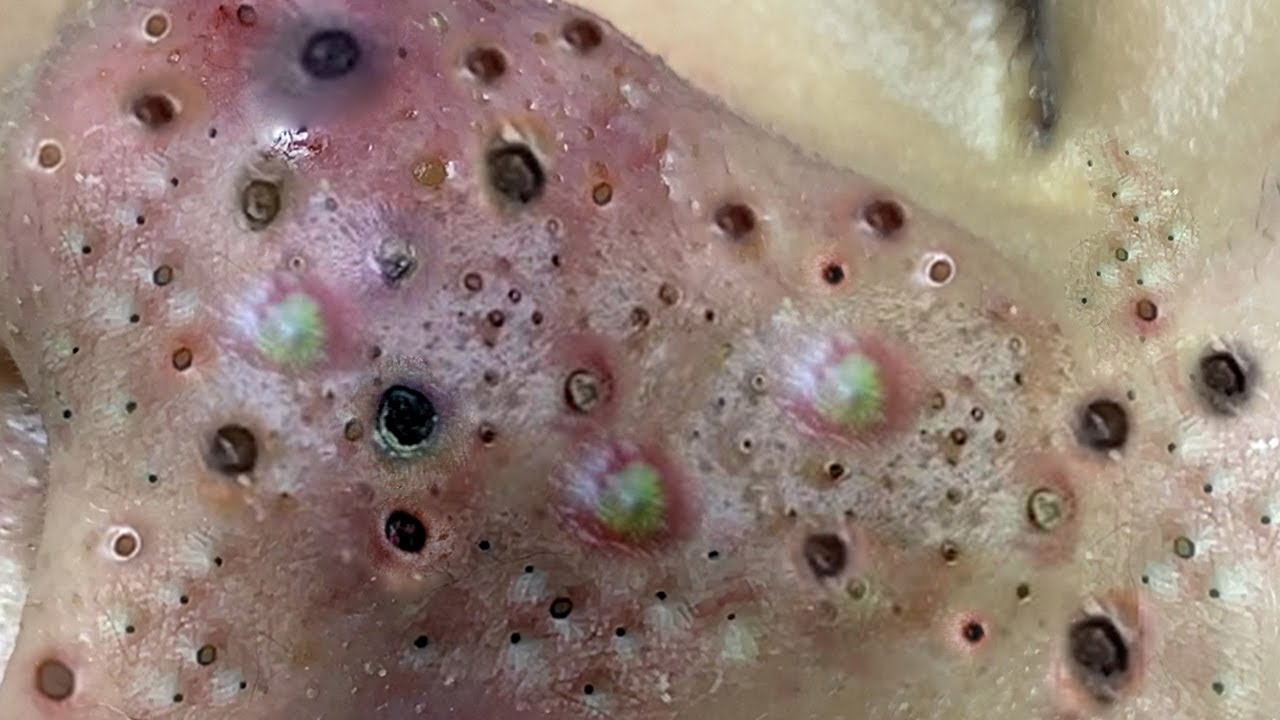
Acne is an inflammatory skin conditionTrusted Source that occurs when hair follicles beneath the skin get clogged by sebum and dead skin cells. Types of acne may be non-inflammatory or inflammatory and include:
- Whiteheads that occur from sebum and dead skin cells that clog pores. The pore’s top closes up, resulting in a small bump on the skin’s surface.
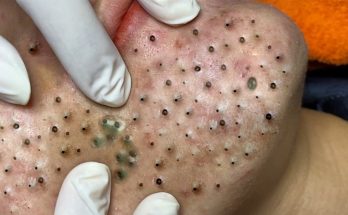
- Blackheads that result from a pore clogged by dead skin cells and sebum. The pore’s top remains open and is what we see as the black surface.
- Pustules that can appear when the walls surrounding your pores break down. Often red and protruding from the skin, they’re filled with pus and usually topped with a white or yellow head.
- Papules that might show up when the walls around your pores are so inflamed that they break down. Papules feel tender, are clogged and hard, and are typically surrounded by pink skin.
- Cysts that can result when pores are very deeply clogged and infected by sebum, bacteria, and dead skin cells. This largest acne form is more likely to scar out of the others and consists of white or red bumps, usually painful to the touch. A prescription, or sometimes surgical removal, is needed to treat cysts.
- Nodules that develop when swollen and clogged pores are irritated to the point that they increase in size. Since they’re so deep under the skin, you typically need prescription medication for treatment.
It’s helpful to note that it is possible to have more than one acne type at the same time.
The best homemade face masks for acne
There can be a lot of contributing factors at play when it comes to acne. The basic cause is oil and clogged pores, but the reasons for excessive oil production and subsequent bacteria-fueled inflammation can range anywhere from hormones to small infections.
While severe acne usually requires heavier medicated treatments, you can improve more mild breakouts with topical application.
Here are five recipes with natural ingredients and how they work.
Turmeric and honey mask
Directions
- Mix together 1/2 teaspoon turmeric and 1 tablespoon honey.
- Leave the mask on for 10–15 minutes.
Why it works: “Turmeric is a natural anti-inflammatory and can help reduce inflammation in the skin,” says Deanne Mraz Robinson, MD, FAAD, an assistant clinical professor of dermatology at Yale New Haven Hospital and co-creator of Pure BioDerm.
Powder or plant, turmeric can be turned into a paste for topical application. Mixing it with honey, an antioxidant-rich product that’s also naturally antibacterial and antimicrobial may help soothe inflamed skin and prevent future breakouts.
Tea tree clay mask
Directions
- Mix 1 to 2 drops of tea tree oil into your clay mask.
- Leave the mask on for 10–15 mins and no longer than 30 minutes.
Why it works: “Tea tree oil is a tried and true antibacterial and anti-inflammatory,” Robinson says.
While older research from 2007Trusted Source found it to be an effective natural acne fighter, it can be potent in high doses and when applied directly on skin.
“Be cautious as higher concentrations can be irritating to the skin,” Robinson warns.
Due to its potential hormone-disrupting properties, you can dilute 1 to 2 drops with honey or in your calcium bentonite clay mask, which creates a barrier between the skin and possible irritants.
Another option? Mix a few drops of tea tree oil with 12 drops of a carrier oil, like olive, jojoba, or sweet almond. Massage it in like moisturizer (avoiding the eyes) on cleansed skin. Leave it on for 5 to 8 mins. Then, use a warm towel to massage off and continue the rest of your skin care routine. (Skip toner if you do this.)
Keep in mind when embarking on a tea tree oil journey that studiesTrusted Source documenting its effectiveness are mostly long-term, so consistent use is more successful than a one-time spot treatment.
Witch hazel and rose water mask
Directions
- Mix a few drops of witch hazel with rose or white tea water.
- Use this water mixture to hydrate a bentonite clay mask.
- Leave the mask on for 10–15 minutes and no longer than 30 minutes.
Why it works: A botanical extract that’s often used as an astringent, witch hazel may help remove excess oil from the skin. It’s also naturally antibacterial, and its anti-inflammatory properties make it a good option to try for angry, red bumps.
“Avoid [witch hazel] preparations with alcohol in the base, as it can strip the skin and be irritating,” Robinson advises.
Aloe vera mask
Directions
- Blend some aloe vera with turmeric or green tea
- Leave the mask on for 15–20 minutes.
Why it works: “Aloe is a natural calming ingredient,” Robinson says. “It can be helpful, if acne is very inflamed and irritated, to help calm the skin.”
This plant also has naturally occurring salicylic acid and sulfurTrusted Source, which makes it an ideal opponent of acne, especially for folks with oily skin.
The powdered turmeric or green tea in this mask help with oil control and skin sensitivity.
Bonus: Aloe may also work from the inside out. A 2014 study found that drinking aloe vera juice may help improve mild-to-moderate acne.
Left over oatmeal mask
Directions
- Boil oats with water, as you normally would for a healthy breakfast option, and allow the mixture to cool completely before applying to your skin. (Make sure you don’t add sugar.)
- Leave the mask on for 20–30 minutes.
Why it works: Oats contain antioxidant and anti-inflammatory properties. Oat bran specifically is a good source of B complex vitamins, vitamin E, protein, fat, and minerals.
You really can’t go wrong when using oatmeal for skin issues. Try adding a few drops of tea tree oil or some turmeric for compound results.
How to keep your skin strong
Once you’re done masking, it’s important to adjust your routine to let your skin rest and heal. Make sure you sidestep any irritants or obstacles that could sabotage your success.
For example:
- If you choose an acid-heavy treatment, avoid layering any other acid on your skin that day.
- Avoid over-washing your skin before or after treatment.
- Avoid using active acne-fighting ingredients in every step of your routine.
- Always apply moisturizer — and always use sunscreen as part of your daily routine.
While masking can be a great way to combat breakouts, you should only mask once or twice per week. You don’t want to completely dry out your skin or take away its natural ability to fight acne and blemishes.
Most of the masks mentioned above are great go-to spot treatments or weekly maintenance measures, but make sure you have a solid acne-fighting regimen in place for your everyday routine.
Frequently asked questions
What is acne?
Acne is an inflammatory skin condition that results when hair follicles under the skin are clogged by dead skin cells and sebum. Acne comes in the form of whiteheads, blackheads, pustules, papules, cysts, and nodules.
How can I clear up my acne?
Severe acne often needs a heavy, medicated treatment, while mild to moderate breakouts can clear up with topical treatments.
You should consult a dermatologist if you’re experiencing difficulty clearing acne with over-the-counter products and treatments.
How often should I treat acne with a face mask?
Face masks can be intense. When used too often, they can dry or deplete your skin’s natural ability to fight acne.
So, you should generally use a mask one to two times per week, but always defer to the directions for the specific product you’re using.
Takeaway
Whether you’re experiencing blackheads, whiteheads, pustules, or other acne types, the root cause is the same: inflamed skin resulting from clogged hair follicles.
The causes of excessive oil production and the bacteria-clogged inflammation that follows can be a number of things, like minor infections or hormones.
Now that you have a better understanding of what acne is and its various types, you’re better equipped to try different treatments that are well-suited for your skin’s needs.
If your acne is severe, you might opt for a heavy, medicated treatment, whereas mild cases could clear up topically. There are many homemade acne masks along with treatments from leading skin care brands that are worth a shot.