Proactiv: Does It Work and Is It the Right Acne Treatment for You?
More than 45 million people in the United StatesTrusted Source have acne. So, it should come as no surprise that there are many treatments and products out there that claim to treat this common skin condition.
Proactiv is likely one of the acne treatments you’ve heard about. Ads for it are everywhere, and plenty of celebrities seem to swear by it.
The ringing social media and TV endorsements seem to imply that Proactiv will work for your acne, even if you’ve already tried everything else without success.
So, should you try it? Is it better than other acne treatments on the market? Read on to find out.
Does Proactiv work?
Lots of celebs say that Proactiv works for them. Keep in mind, though, that they’re probably getting paid to say that.
It’s also likely that the glowing skin and flawless complexions of your favorite singers, actors, and reality TV stars are the result of plenty of cosmetics, expensive beauty treatments, great lighting, and more than a little photo editing.
With that being said, Proactiv may be an effective treatment option for mild to moderate acne outbreaks and scarring. But it’s not a miracle cure, and it won’t work for everyone.
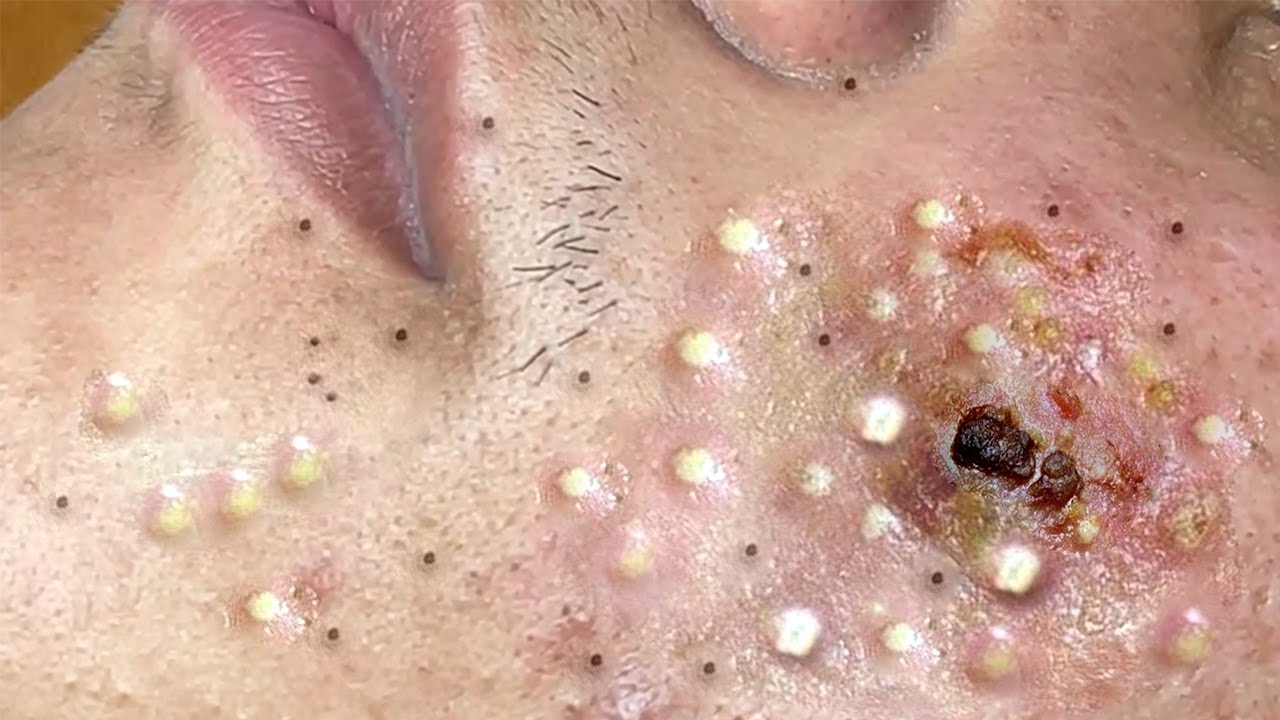
According to its product description, Proactiv doesn’t work on cystic or nodular acne. It’s also not the best option for severe acne.
A dermatologist can diagnose your acne as mild, moderate, or severe.
What are the active ingredients in Proactiv?
Proactiv’s acne treatment products contain several clinically proven active ingredients. Each ingredient works in a slightly different way to target acne.
- Benzoyl peroxide: works by killing bacteria on your skin that can cause acne. ResearchTrusted Source has shown that benzoyl peroxide is an effective acne-fighting ingredient. It may cause your skin to peel, bringing newer skin cells to the surface. Over-the-counter (OTC) Proactiv contains a 2.5 percent concentration of benzoyl peroxide.
- Sulfur: works in a similar way to benzoyl peroxide by targeting acne lesions that are triggered by dirt, bacteria, and hormone imbalances. Unlike benzoyl peroxide, sulfur has less of a drying effect on your skin.
- Glycolic acid: a type of alpha-hydroxy acid that’s used in a variety of skin care products. It helps with exfoliation, meaning it removes dead skin cells and allows for new skin cell generation.
- Adapalene: a retinoid ingredient that works in a similar way to benzoyl peroxide. In a 2009 studyTrusted Source that compared the effectiveness of these two ingredients, the results were similar. Both ingredients did a good job of treating acne.
- Salicylic acid: an exfoliant that helps to clean out the bacteria and other debris from inside your pores.
How much does it cost?
Proactiv costs around $40, plus shipping, for a 60-day supply.
It’s often pricier than other OTC acne treatments. You can probably find a product that contains the same main active ingredient, benzoyl peroxide, for around $10 at your local pharmacy.
Compared to prescription treatments for acne, Proactiv is supposed to be less expensive. But that may not be the case for everyone.
If acne medication is covered or partially covered by your insurance, you might be able to get a similar prescription product at a lower price.
How is Proactiv different from other acne products?
Proactiv is different from other acne products in that it’s not simply a cream, a gel, or a lotion. Instead, it’s a multistep skin care regimen that consists of several products.
There are different types of Proactiv kits, each with different products and variations of the active ingredients, but most kits include a cleanser, toner, and an acne-fighting gel treatment to use on a daily basis.
Depending on your skin and type of acne, you may not want to target acne with every step in your skin care routine. Some skin care experts believe that it may damage your skin barrier.
Talk to your dermatologist to find out if using Proactiv products is the right skin care routine for you.
Are there any side effects?
Proactiv is upfront about the fact that there can be side effects from using their products. Most of the side effects are minor and temporary. Serious side effects are rare.
Some side effects may include:
- a red rash at the site of treatment
- dryness, itchiness, or peeling, usually after several days of use
- stinging or burning right after use
There’s usually a period of adjustment when you first start using Proactiv. You’re more likely to experience side effects for a few days or weeks after starting this product, as your skin gets used to the ingredients.
In rare cases, some people may have a severe allergic reaction to Proactiv when they first start using it. Symptoms of an allergic reaction include:
- small red bumps on the treated skin
- intense itching of the treated area
- swollen, scaly, or blistered skin
If you develop an allergic reaction after using Proactiv, stop using the product, and make sure to follow up with your doctor or dermatologist.
Should you try it?
If you have mild to moderate acne and have yet to treat it with benzoyl peroxide, Proactiv may be a good option.
But if your acne symptoms are more severe, you may be better off trying a prescription treatment recommended by a dermatologist.
Proactiv targets acne that’s caused by clogged pores and bacteria on your skin. If your acne is caused by something else, Proactiv won’t help.
It’s important to note that you shouldn’t use Proactiv if you’re pregnant or nursing.
Are there ways to prevent acne?
The inconvenient truth about acne is that there isn’t much you can do to prevent it. In many cases, acne is genetic. It’s mainly caused by hormones that are active during puberty.
That said, there may be things you can do to possibly limit your acne breakouts and keep your symptoms in check. Try these tips to help limit acne breakouts:
- Wash your face twice a day to remove oil, dirt, and sweat.
- Use an alcohol-free cleanser.
- Add a few drops of tea tree oil to your moisturizer or cleanser.
- Avoid touching your face.
- Avoid wearing makeup, or if you do, keep it light to prevent pores from getting clogged.
- Use oil-free, noncomedogenic shampoos, shaving creams, and hair styling products.
- Stay hydrated.
- Keep your stress levels in check.
- Avoid high-glycemic foods, like candy, chips, sugary beverages, and baked goods made with white flour.
These tips may or may not work depending on whether your acne outbreaks are hormonal, caused by bacteria on your skin, or by lifestyle factors.
When to see a doctor
Acne isn’t a life-threatening condition. Even if your acne is ongoing, it typically won’t pose a risk to your health.
But acne can affect your emotional health and well-being, and lead to anxiety and depression. If your acne is interfering with your everyday life, or making you feel self-conscious, make an appointment to see your doctor or dermatologist.
Some insurance plans have recently added acne care to their covered conditions, so it might be less expensive than you think to get medical care.
The bottom line
Proactiv contains acne-fighting ingredients that may help treat mild to moderate acne breakouts. It won’t help you if you have severe acne or cystic or nodular acne, though.
Keep in mind that a good skin care routine should focus on keeping skin healthy, in addition to targeting and fighting acne.
If your acne is more severe, or if it won’t clear up with OTC products, be sure to talk with your doctor or dermatologist about the treatment options that are right for you.