10 Pain Relief Tips for Nodular Acne
Acne nodules are deep or “invisible” pimples that form under your skin. It’s important not to pick at or pop these pimples as it can make them worse. Here are 10 tips for treating nodular acne.
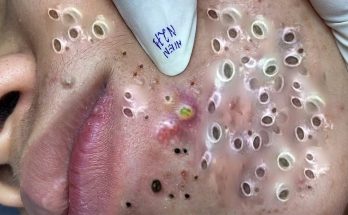
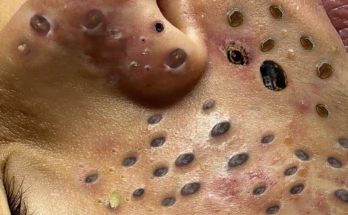
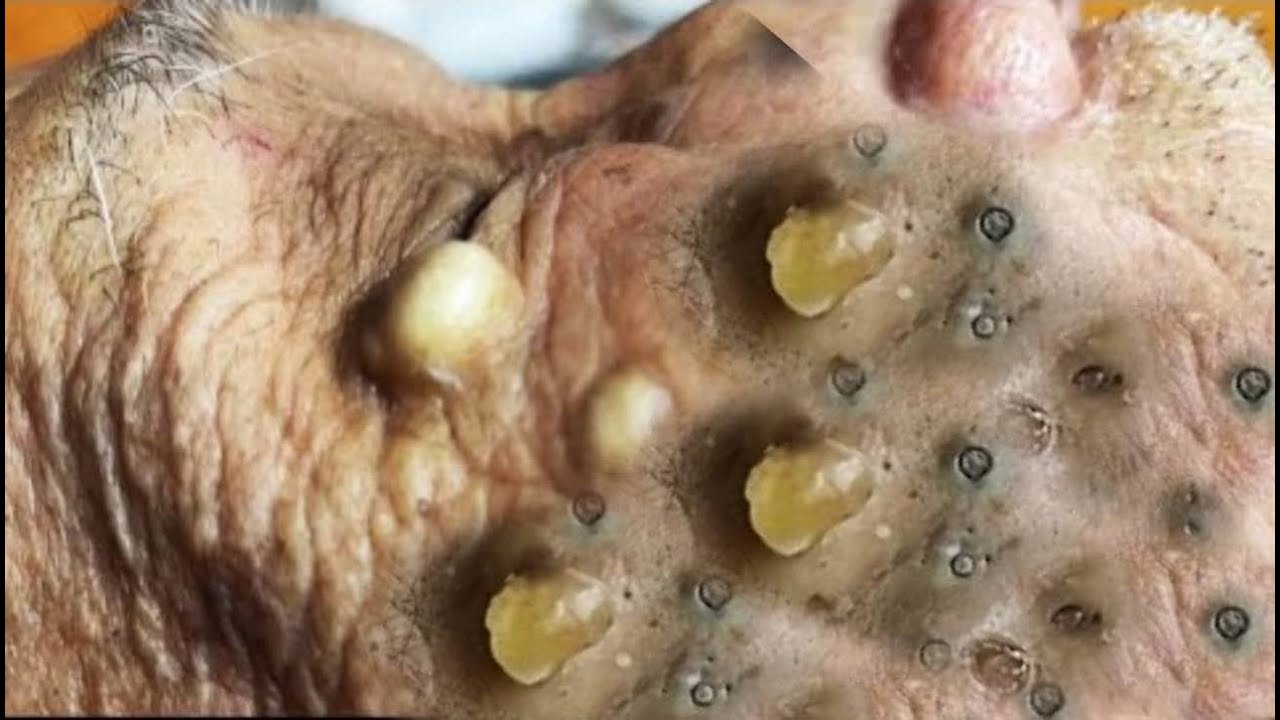
Acne nodules are large, solid lumps that develop deep under the surface of your skin. Breakouts tend to occur on the face, neck, and chest but can show up anywhere on the body. Acne nodules can become inflamed, infected, and very painful.
If you have painful nodular acne, you can do a few things on your own to feel better. Your dermatologist can also offer you a variety of safe, effective treatments.
Read on for 10 pain relief tips, including how to find the right dermatologist.
1. Wash before treating
Acne isn’t a personal hygiene problem caused by dirty skin. But keeping your skin clean is important to managing acne.
Start with clean skin before applying over-the-counter (OTC) products or prescription medications. Doing so will help you get the most out of your treatment.
2. Be gentle with your skin
Wash your face or affected skin twice a day, but don’t scrub or wash too often.
Steer clear of harsh soaps, as they typically have a pH higher than the skin’sTrusted Source, which can irritate or dry out your skin. Also, avoid cleansers that may contain perfumes and other skin irritants, such as alcohol.
Choose water-based products over oily or greasy ones. Avoid using acne:
- concealer
- astringents
- facial scrubs
When shaving, be careful near acne-prone areas.
3. Resist the temptation to pick at your skin
Picking, squeezing, or popping blemishes can cause an infection and prolong your pain and discomfort. It can also leadTrusted Source to:
- discoloration or hyperpigmentation
- permanent scars
- worsened acne lesions
Let blemishes heal on their own. See your dermatologist if they’re not going away despite treatment.
Be mindful of cell phones, earbud cords, and straps that can rub against your sensitive skin and cause further irritation.
4. Apply ice
You can use a cold compress to help ease pain and swelling. Do not put ice directly on your acne, though.
Wrap some ice in a paper towel or soft, clean wash cloth and hold it on the sore area for 5 to 10 minutes. With 10-minute breaks in between, you can repeat this process twice more to soothe your painful skin.
5. Apply a warm compress
If you have a new nodule, try applying a warm compress. Soak a fresh washcloth in hot water for a few minutes. Be careful not to get it so hot that you burn your skin.
Wring it out and hold the warm cloth to the pimple for about 10 to 15 minutes. You can repeat this process three to four times per day to help release the pus.
6. Try benzoyl peroxide
Try an OTC product that contains at least 2% benzoyl peroxide. Most benzoyl peroxide is available in concentrations from 2.5% to 10%. This product helps destroy acne-causing bacteria.
Follow the package instructions carefully. Only use a thin layer to avoid irritating the skin. Benzoyl peroxide can bleach fabric, so be careful not to get it on your clothes.
7. Avoid harmful ingredients
You may have heard that toothpaste can help heal your acne. This isn’t a good idea.
Ingredients in toothpaste can irritate your skin, such as:
- baking soda
- alcohol
- menthol
- hydrogen peroxide
These ingredients are also comedogenic, meaning they can clog your pores.
Ask your dermatologist before using any OTC:
- astringents
- toners
- exfoliants
They may also contain comedogenic ingredients.
There are many other home remedies and natural therapies for acne. It’s important to keep in mind that these natural treatments can irritate your skin or interact with other products or medications.
8. Shield yourself from the sun
Too much sun can be painful when you have severe acne. Also, some medications, like topical retinoidsTrusted Source, used to treat acne can make you more sensitive to the sun.
Ask your dermatologist if your medications will make you more sun-sensitive.
As a precaution, try to stay out of direct sunlight whenever possible. If you must be outdoors, cover your skin and always wear sunscreen recommended by your dermatologist.
9. Find the right dermatologist
If stubborn, severe nodular acne isn’t responding to good skin care habits or OTC products, it’s not your fault.
A qualified dermatologist can treat your existing outbreak and prevent new ones. They can also reduce the chances of permanent scarring.
To find a board certified dermatologist, ask your doctor for a referral. You can also use the American Academy of Dermatology’s searchable database to find a dermatologist near you.
10. Find the right treatment
Let your dermatologist know about treatments you’ve tried so far. Your treatment optionsTrusted Source may include:
- topical ointments
- gels
- lotions or creams
- oral medications
Some may be used to reduce oil, while others are designed to control bacteria. Examples include:
- oral antibiotics such as tetracycline or a macrolide
- prescription-strength benzoyl peroxide
- topical retinoids
- salicylic acid or azelaic acid
Be sure to use these medications as instructed and tell your dermatologist about any new or worsening symptoms.
If you’ve tried the above treatments and they haven’t worked for you, other options for your nodular acne include:
- combined oral contraceptives (people with ovaries only)
- anti-androgen agents (people with ovaries only)
- extraction of blackheads and whiteheads
- steroid injections into the nodule
- laser therapy
- chemical peels
- oral isotretinoin, a powerful treatment that’s typically only prescribed if nothing else has worked
Once you begin treatment, you may need to wait 2 to 3 months before you see improvements in your skin. You and your dermatologist will find the best solutions for your nodular acne.
Frequently asked questions
How do you soothe a painful pimple?
You can use a warm, damp compress to encourage the pimple to come to a head.
Also, try covering your pimple with a hydrocolloid patch to protect your skin, avoid picking at it, and promote healing.
A 2021 studyTrusted Source involving 64 people with mild to severe acne found that aloe vera gel in combination with ultrasound may be an effective treatment for soothing acne and improving hyperpigmentation.
The takeaway
Nodular acne can be a painful, persistent condition. Your dermatologist can help clear up an outbreak in progress and help prevent future painful breakouts.
Work with your dermatologist to find the right treatment or combination of treatments for your nodular acne pain.
Be aware that what may be working for you now may need to be adjusted or changed in the future should your acne breakouts return.