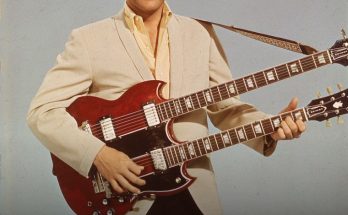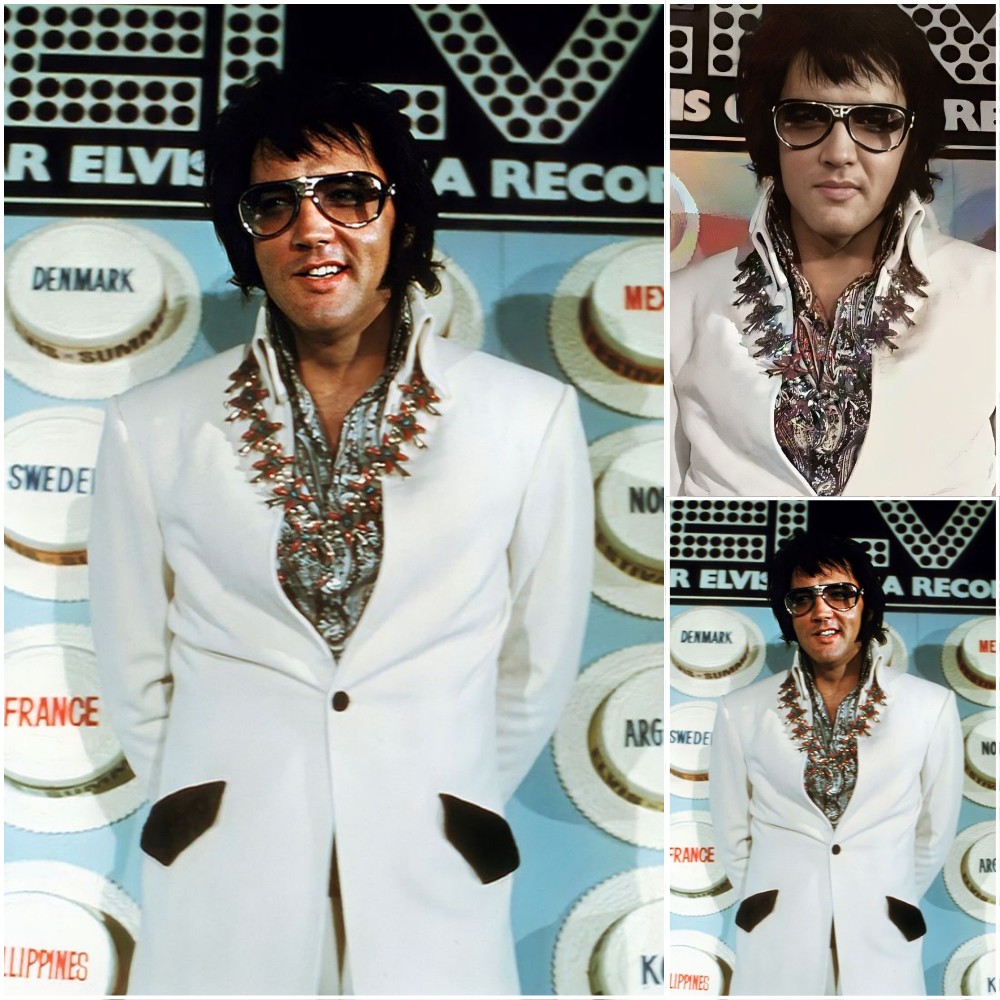
Elvis Presley is forever etched in history as the King of Rock ’n’ Roll, a cultural icon who revolutionized music and captured the hearts of millions worldwide. But beyond the dazzling stage lights and record-breaking hits, there was a side of Elvis few truly understood—a side marked by artistic frustration and personal struggle.
The Hollywood Image That Wasn’t Elvis
In one of the most candid confessions of his life, Elvis admitted, “Hollywood’s image of me was wrong, and I knew it.” This revelation peeled back the glossy veneer that surrounded him during his prolific film career, which spanned more than 30 box-office hits. Behind the scenes, Elvis was trapped in a cycle of formulaic, shallow roles that Hollywood believed would sell tickets but did little to satisfy his creative soul.
Instead of challenging himself with complex characters or serious acting roles, Elvis was repeatedly cast as the charming, musical heartthrob—the same persona that had catapulted him to stardom on the music charts. This repetitive typecasting left him feeling boxed in, unable to break free and prove his versatility as a performer.
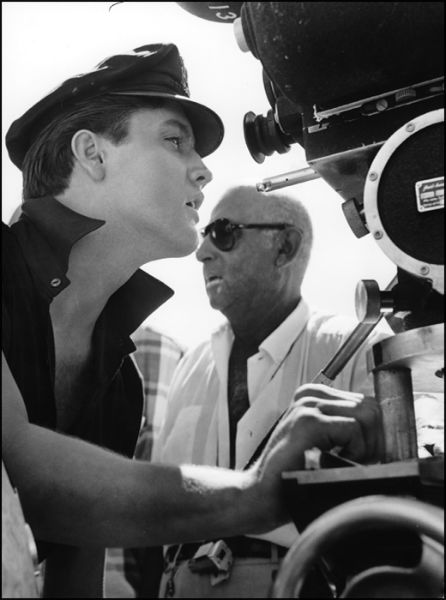
A Dream Deferred: Elvis Wanted to Act Like Brando and Dean
Elvis didn’t want to be just another singing star in predictable romantic comedies or lightweight musicals. He craved serious acting roles and aspired to be mentioned alongside the greats like Marlon Brando and James Dean—actors known for their depth, intensity, and willingness to take creative risks.
Yet the industry—and more pointedly, his manager, Colonel Tom Parker—often prioritized commercial success over artistic fulfillment. Parker’s strict control over Elvis’s career meant steering him towards safe, proven formulas that guaranteed box-office returns but ignored Elvis’s hunger for meaningful roles.
The Crushing Weight of Fame and Control
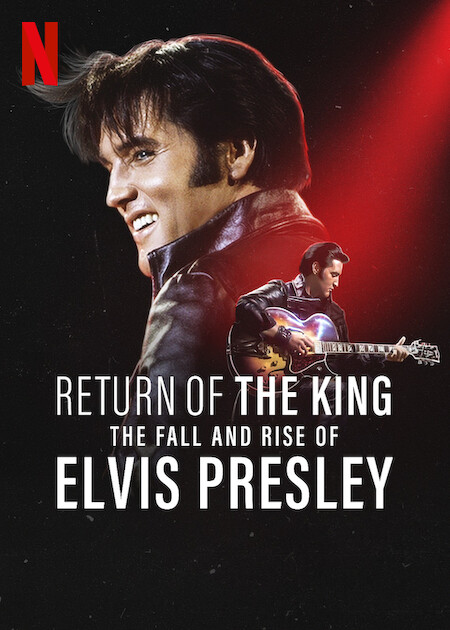
In the 2024 Netflix documentary Return of the King, Elvis opened up about this emotional and professional suffocation. He said, “They couldn’t have paid me no amount of money in the world to make me feel I had any satisfaction inside.” This statement reflects the deep disconnect between his public success and private dissatisfaction.
Colonel Parker’s management style was notoriously controlling, often described as restrictive and overbearing. While Parker undoubtedly helped launch Elvis to superstardom, his reluctance to take risks on Elvis’s behalf ultimately hindered the King’s artistic growth. Hollywood’s machine, combined with Parker’s grip, left Elvis feeling like a performer trapped in a gilded cage.
Beyond the Glitz: A Man Yearning for More
Elvis’s struggle was not merely professional—it was deeply personal. Despite unparalleled fame, wealth, and adoration, he felt incomplete. His desire to expand his artistic horizons was met with closed doors and limited opportunities. The man who had transformed the music industry and inspired generations was denied the chance to fully explore his talents as an actor.
This conflict highlights the duality of Elvis Presley’s life—a public figure adored by millions, and a private individual wrestling with unfulfilled dreams.
A Legacy Reconsidered
Today, the conversation around Elvis’s Hollywood career is shifting. Modern critics and fans alike recognize the missed opportunities and what might have been if Elvis had been allowed to pursue serious acting roles on his terms.
The Netflix documentary Return of the King sheds new light on this lesser-known chapter of Elvis’s life, painting a more nuanced picture of the King as not only a music legend but a multi-dimensional artist struggling to break free.