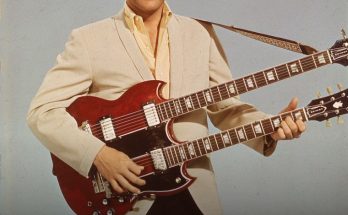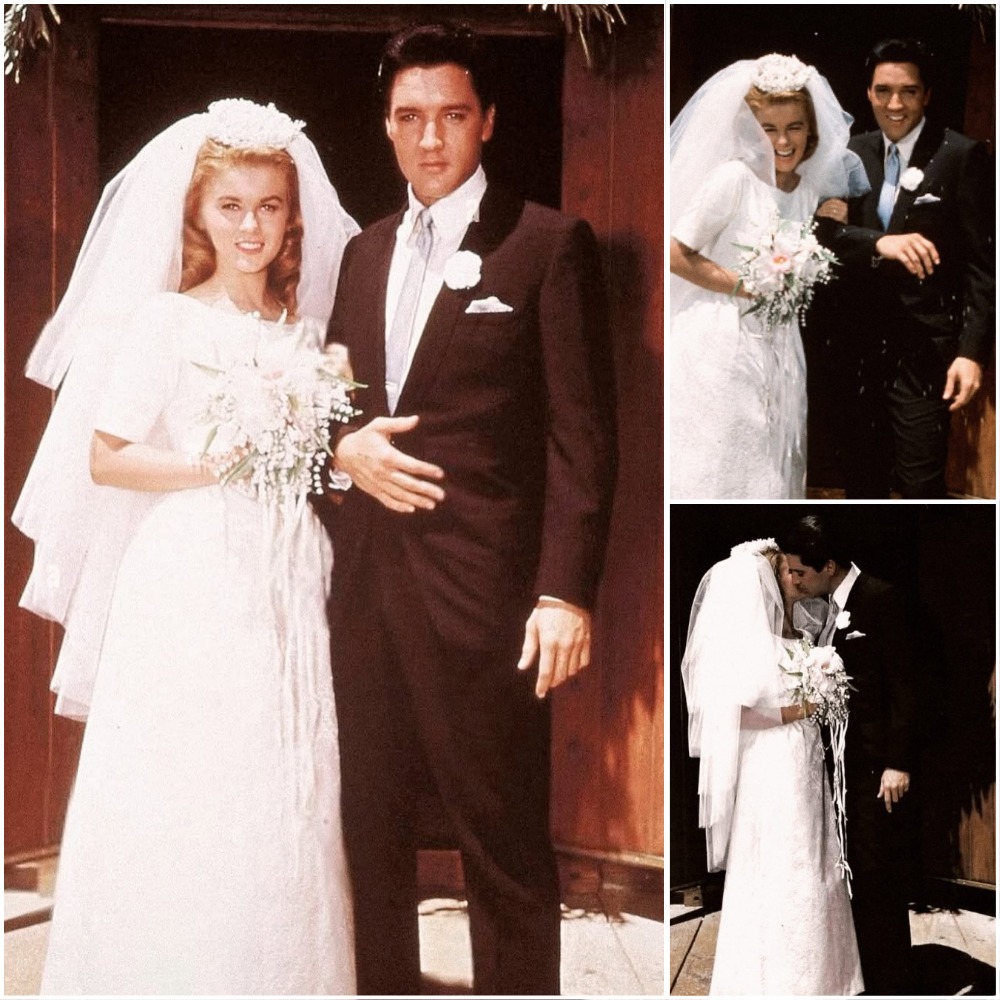
In the golden summer of 1963, under the hot lights of a Hollywood soundstage, two of the most magnetic stars of their time collided—and the result was nothing short of explosive. When Elvis Presley met Ann-Margret on the set of Viva Las Vegas, the chemistry was instant, undeniable, and electric. What began as a cinematic pairing quickly transformed into a real-life romance that still captivates fans more than six decades later.
While the world saw two charismatic performers lighting up the screen, behind the scenes, Elvis and Ann-Margret were falling deeply in love. It wasn’t a passing fling. Their connection, described by Ann-Margret herself as “soulmate” level, went beyond physical attraction or Hollywood fantasy. They shared a rare emotional and creative bond—two artists who instinctively understood each other’s rhythm, drive, and vulnerabilities.
A Match of Equals

Ann-Margret wasn’t just another co-star. She was a rising star in her own right—fierce, independent, and enormously talented. Unlike many of the women who entered Elvis’s orbit, she matched his energy on stage and screen. Their dance numbers sizzled, their performances sparkled, and their flirtation was so natural that audiences could sense something real was happening behind the scenes.
They would rehearse together, laugh between takes, and share quiet moments away from the spotlight. According to insiders, it was clear to everyone on set: this wasn’t just acting. There was love here, raw and growing stronger every day.
But there was a problem—a very big one.
The Shadow of Priscilla
At the time of their affair, Elvis was still romantically involved with Priscilla Beaulieu, who was living at Graceland and whom he had been grooming for marriage since she was a teenager. The relationship with Ann-Margret, as passionate as it was, threatened to derail those plans.
When Priscilla found out about the affair, it caused deep emotional upheaval. Letters were written. Arguments erupted. Ann-Margret became a taboo subject at Graceland. Elvis was torn between duty and desire, love and obligation. The intensity of his bond with Ann-Margret was undeniable—but so was the expectation that he would marry Priscilla.
Under pressure from his manager, Colonel Tom Parker, and surrounded by public scrutiny, Elvis eventually ended the relationship with Ann-Margret. But it was never truly over—not emotionally.
A Love That Never Faded
Even after their romantic relationship ended, Elvis and Ann-Margret stayed in touch for years. They exchanged secret gifts and heartfelt messages. Whenever Ann-Margret performed in Las Vegas, Elvis sent flowers—always in the shape of a guitar. She was one of the few women in his life who could say she truly knew and understood him, and their connection endured through the decades.
When Elvis died in 1977, Ann-Margret was one of the very few show business friends who attended his funeral. She didn’t speak to the press. She simply came to honor him in silence, grief written across her face. “Our relationship was very strong,” she later said, “and very, very real.”
Why It Still Matters
The story of Elvis and Ann-Margret is often remembered as a passionate detour in the King’s life. But to those who knew them—and to fans who’ve studied their history—it was something more: a portrait of two supernovas who collided at just the right time and in just the wrong way. Their love was vibrant but complicated, full of possibility yet crushed by outside forces.
In the end, theirs was a love that couldn’t last but never truly ended. It serves as a poignant reminder that even the most iconic figures in history are deeply human—capable of heartbreak, torn by choices, and shaped by the ones they loved and lost.